Aviation is the safest mode of transport in the world. That record exists because of rigorous oversight, not in spite of it. But the tools and processes that underpin that oversight are, in many cases, decades behind the operational maturity of the industry they serve.
Across the UK and beyond, regulators and operators still manage safety oversight through a patchwork of disconnected systems, manual workflows, and shadow processes. Operators prepare for audits in one system. Inspectors conduct them using another. Findings get raised, tracked, and resolved across email chains, spreadsheets, and document management tools that were never designed to talk to each other.
The result is not a lack of safety commitment. It is a structural problem: the gaps between disconnected systems are exactly where risk accumulates.
What leading UK operators already know
The most progressive aviation organisations in the UK have already addressed this challenge on their side of the oversight equation.
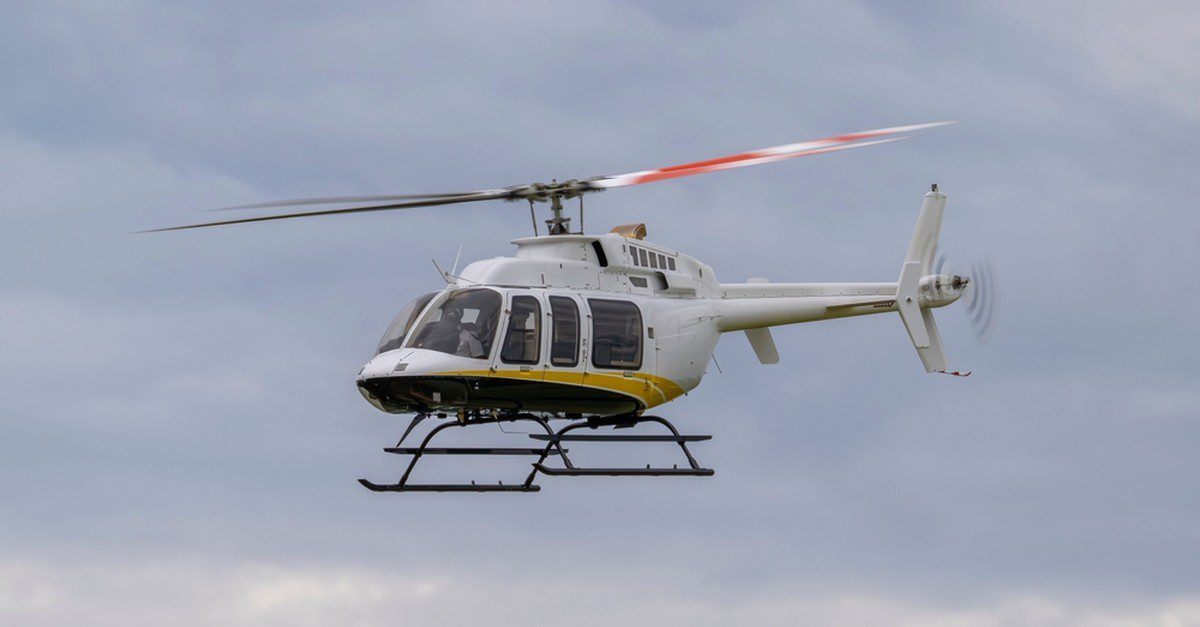
Earlier this year, Bristow Group – one of the world’s largest helicopter operators – selected TrustFlight’s Centrik 5 platform to modernise global safety reporting, risk oversight, and compliance across their entire operation. But Bristow is one example in a much larger pattern.
Today, TrustFlight’s safety and compliance platform is trusted by major UK airlines, regional carriers, business aviation operators, leading airports – including some of London’s busiest gateways – the UK’s national air traffic service provider, helicopter operators, aerospace manufacturers, and MRO organisations. Across 1,600 organisations in 120 countries, the platform manages the full lifecycle of safety and compliance: audit planning and execution, finding management and resolution, competency tracking, document control, supplier oversight, and risk-based reporting.
What connects these organisations is not just their choice of technology. It is a shared recognition that safety management cannot be effective when it operates in silos. The audit lifecycle – from planning through execution, finding resolution, and trend analysis – only delivers real safety intelligence when it runs on a connected, structured foundation.
The other side of the table
Here is what makes this particularly relevant for the future of aviation oversight: the workflows that regulators need are not fundamentally different from the ones operators already use.
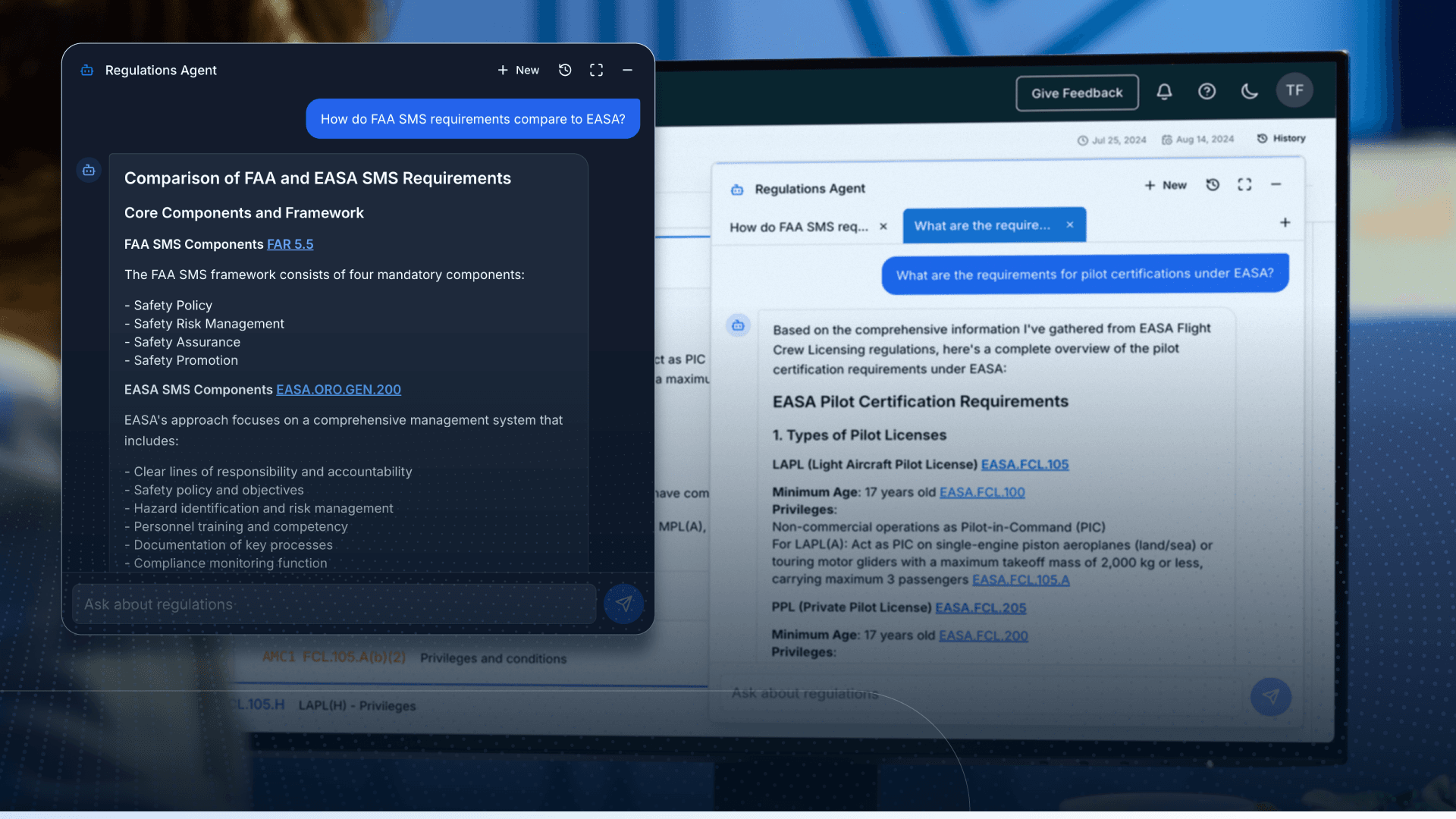
An inspector planning a surveillance audit needs scheduling tools, resource management, and visibility of an entity’s compliance history. They need structured checklists mapped to regulations. They need to raise findings, track corrective actions, manage deadlines and extensions, and escalate where necessary. They need offline capability for on-site work. They need dashboards that surface risk trends and performance data across their entire portfolio.
These are not hypothetical requirements. They are the exact capabilities that operators already depend on, every day, to manage their own internal safety and quality management systems.
The opportunity is significant: when both sides of the oversight relationship work from the same digital language – the same structured data models, the same audit logic, the same approach to findings and compliance tracking – the entire system becomes more effective. Audit preparation improves because both parties understand the framework. Finding resolution accelerates because responses flow through structured workflows rather than email. Trend analysis becomes meaningful because data is consistent, connected, and comparable across entities and approval types.
From compliance burden to safety intelligence
The aviation industry is moving beyond tick-box compliance. Risk-based oversight, data-driven decision-making, and predictive analytics are no longer aspirational concepts – they are operational necessities.
But these capabilities depend entirely on the quality and structure of the data beneath them. You cannot run trend analysis across approval types if every audit lives in a different format. You cannot benchmark entity performance if findings are categorised inconsistently. You cannot predict risk areas if historical data sits in archived spreadsheets that no one can search.
This is why the foundation matters. Years of building safety management technology for aviation – across operators, airports, air traffic service providers, manufacturers, training organisations, and MROs – has taught us that intelligence is not a feature you bolt on. It is the outcome of getting the data model, the workflows, and the collaboration framework right from the start.
And when you combine that technology foundation with specialist training, consulting, and expertise – with people who have spent decades embedded in aviation safety, compliance, and regulatory frameworks – you move from software to genuine operational intelligence.
What the future looks like
The next generation of aviation safety oversight will not be defined by which system an inspector uses or which platform an operator logs into. It will be defined by how seamlessly those systems connect.
The organisations that have already made this transition – on the operator side – are seeing measurable results: faster audit cycles, more consistent finding management, better visibility of compliance status, and leadership teams that can make decisions based on real-time data rather than quarterly reports.
The same benefits are available on the regulatory side. The technology exists. The data models exist. The operational proof points exist, at scale, across every category of CAA-regulated organisation.
Aviation’s safety record was built on trust: trust in data, trust in people, trust in systems. The next chapter will be built on ensuring that trust is connected – across every organisation with a role to play in keeping aviation safe.
TrustFlight is the Aerospace Safety Intelligence Platform trusted by 1,600+ organisations across 120 countries. Our integrated platform combines safety and compliance technology, world-class training and consulting through Baines Simmons, specialist security assurance through Redline, and emergency management and response through Kenyon International – delivering operational intelligence for the aviation industry.
Learn more at trustflight.com