Company Profile
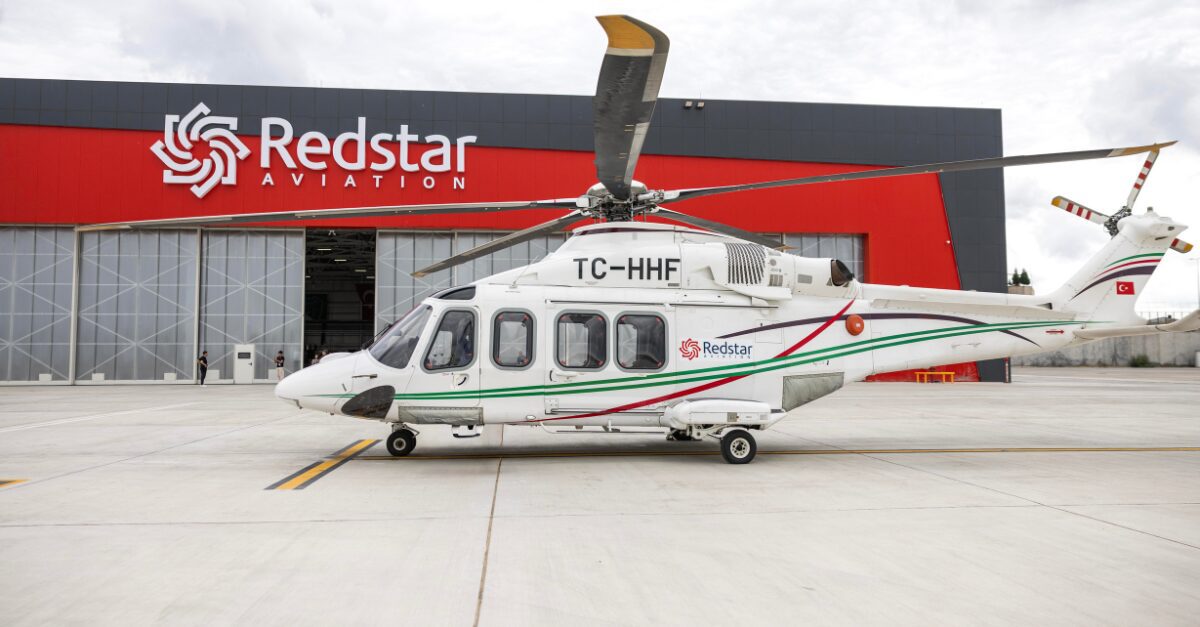
Founded in 1989, Redstar Aviation is widely recognized as a leader in global air ambulance operations and a critical service provider across the globe. Redstar Aviation’s mission is to deliver air medical services that put safety, quality, and patient experience first. That mission is powered by a dynamic fleet including four Bombardier Challenger 605 aircraft, five Learjet 45 aircraft, and four Leonardo AW139 helicopters dedicated to offshore operations. As a recognized critical service provider, Redstar Aviation delivers a unique value proposition in medical evacuation and oil & gas logistics, as well as aircraft management, MRO services, and aviation training, combining long-term success with a high level of service and reliable performance.
The mission-critical environment that Redstar operates demands unique safety dynamics that change the approach to digitising operations. Redstar’s pilots, engineers, medical teams, and operation crews work within tightly choreographed processes so that patient care, aircraft safety, and regulatory compliance are the most important factors when carrying out missions. As the company grew and missions became more complex, it required a digital foundation that was dynamic, scalable, and reliable.
The Challenge
Before Centrik, safety and quality processes were constrained by paper workflows, email chains, and manual follow-ups. Critical documents lived in disparate folders with uneven version control, and change decisions were captured in meeting notes that were difficult to trace back to specific procedures. Training records were complete, but scattered, making it time-consuming to reconcile currency, expiries, and role-based approvals.
The distinctive profile of flight operations magnified these issues. There was no structured way to capture and reuse mission-specific intelligence. Connectivity gaps in remote areas delayed reporting and compliance tasks until crews returned, which blunted the speed of feedback. Events, findings, and maintenance data were not fully integrated into the register, which made it challenging to develop an evolving picture of exposure as missions, weather, and environments shifted. As operations scaled, managers spent more time chasing status updates, and audit readiness depended on ad hoc evidence gathering rather than a single source of truth.
The Solution
Redstar Aviation began its digital transformation with Centrik Version 4, consolidating core activities into a single operational system. Building on that foundation, the organization upgraded to Centrik Version 5 several months later, unlocking enhanced automation and tighter integration with its scheduling and operations platform. As users were onboarded, they benefited from a unified dashboard highlighting tasks relevant to their roles, with sequenced guidance and embedded controls. Procedural change no longer meant circulating a PDF; it became an executable workflow with defined steps and pre-populated checklists.
The Safety and Risk modules now house dynamic libraries and mission-specific risk assessment templates aligned to operations. Crews select the appropriate mission profile and capture operational considerations and mitigations that persist across similar missions, building a living memory for recurrent risk. Offline-first mobile apps on tablets and phones allow safety reports, training signoffs, and workflow steps to be completed on remote pads, vessels, or mountain landing zones, with data syncing automatically when connectivity returns. Reports, audit findings, and maintenance events are linked directly to the register, closing the loop between front-line events and the wider operational picture so exposure can be tracked as conditions evolve.
Leadership and operational teams share the same real-time dashboards for documents, training, and workflow progress, and teams can submit information or view relevant materials in the same SMS/QMS environment rather than operating on parallel tracks.
Results and Impact
Centrik replaced fragmented routines with a unified platform for strengthened safety and quality processes. Digital approval flows gave way to auditable checkpoints, and static documents became executable guidance that crews can follow in the field, even when offline. By linking operational reports, audits, and maintenance events to the register, Redstar Aviation gained a live, mission-sensitive picture of exposure, with heatmaps and narrative trend detection illuminating where mitigations are working and where new controls are needed. Culturally, leadership’s transparent advocacy of Centrik encouraged organisation-wide adoption to build a culture of strengthened safety and enhanced compliance.
The shift to paperless operations reduced cost and error while creating the conditions for continuous improvement. Governance forums now operate on live operational data, making evidence-based decisions that flow directly into the workflows people execute every day.
What makes this relevant for Special Mission operators
For special mission operators, Redstar Aviation’s experience demonstrates how a single, unified system can connect aircrews, engineers, and mission support teams in real time, even when missions take them into remote environments. By turning paper procedures into executable, auditable workflows, special mission organizations can scale complex operations, show compliance to multiple regulators and customers, and continuously improve performance without compromising mission readiness.